
Author(s): Neha Rai and Dr. Karan Gupta
Paper Details: Volume 4, Issue 3
Citation: IJLSSS 4(3) 13
Page No: 135 – 145
ABSTRACT
Corporate Social Responsibility (CSR) stands today as an essential foundation of sustainable ethically focused business models. Traditional CSR reporting methods encounter criticism because they fail to deliver transparency and verification alongside stakeholder trust. The credibility along with the impact of these initiatives suffers from selective disclosure and unverifiable claims. The decentralized nature of blockchain with its untouchable ledger provides a revolutionary answer to address these issues. Blockchain implements secure reporting alongside transparent methods and tamperproof features to overcome industry obstacles thus improving corporate social responsibility effort outcomes. The research investigates how blockchain technology can transform CSR reporting through increased accountability measures alongside enhanced stakeholder interactions while eliminating fraudulent environmental disclosure practices. The study demonstrates how blockchain technology brings several advantages including complete reporting transparency along with instant monitoring abilities as well as both financial savings and solidified stakeholder trust. The adoption of blockchain faces three primary implementation obstacles which comprise elevated costs while demanding considerable operational power and requiring specialized IT personnel. A solid legal framework based on blockchain administration for CSR reporting must be developed while regulations need to address issues related to privacy rules, cross-border standards, and established reporting standards.
The paper showcases different organizations that have used blockchain to drive successful CSR programs as part of its study on blockchain technology’s real-world benefits and potential for transformation. The research outlines unaddressed areas for future inquiry that entail studying stakeholder trust development and proposed sector-targeted implementations and optimal blockchain systems for energy efficiency. Corporate entities and policy teams must explore blockchain integration within CSR reporting to tackle sustainability issues and create meaningful ethical corporate engagement. The new perspective enhances CSR authenticity while establishing blockchain as an agent for meaningful social development.
Keywords: Blockchain Technology, Corporate Social Responsibility (CSR), CSR Reporting, Transparency, Accountability, Verifiable Social Contributions, ESG Standards, Legal Framework, Sustainability, Decentralized Systems
INTRODUCTION
All organizations in the industry of strategic management consider Corporate Social Responsibility (CSR) as the vital sustainability requirement that supports operational sustainability. CSR initiatives succeed in their first stage when companies report accurately and transparently while confirming compliance with their moral and societal obligations toward stakeholders (Ezzi et al. 2022). CSR reporting operates through standard procedures that face three major limitations due to companies choosing which information to present and stakeholders becoming skeptical of the statements which results in trust breakdown in the system. The business sustainability performance decreases significantly when trust breakdown occurs due to concealed sustainability matters. Blockchain innovation consists of dual use in developing distributed framework systems and tamperproof reporting protocols that increase transparency and reliability. A business’s adoption of blockchain technology within its CSR frameworks enables permanent transparency of sustainability actions that helps stakeholders validate corporate social projects for establishing trust. The blockchain network allows organizations to validate CSR activities using real-time verification that safeguards data from tampering to prevent fraudulent reports. Instances where stakeholders monitor social impact disclosures from organizations become possible through blockchain platforms which offer open data-sharing functions that strengthen social engagement and corporate responsibility accountability. The use of blockchain for CSR reporting creates full transparency which helps organizations maintain their status as sustainable practice and social responsibility leaders (Ajayi-Nifise et al., 2024). Research explores the usefulness of blockchain technology in CSR reporting to evaluate practical solutions that challenge the productive impact of optimal outcomes.
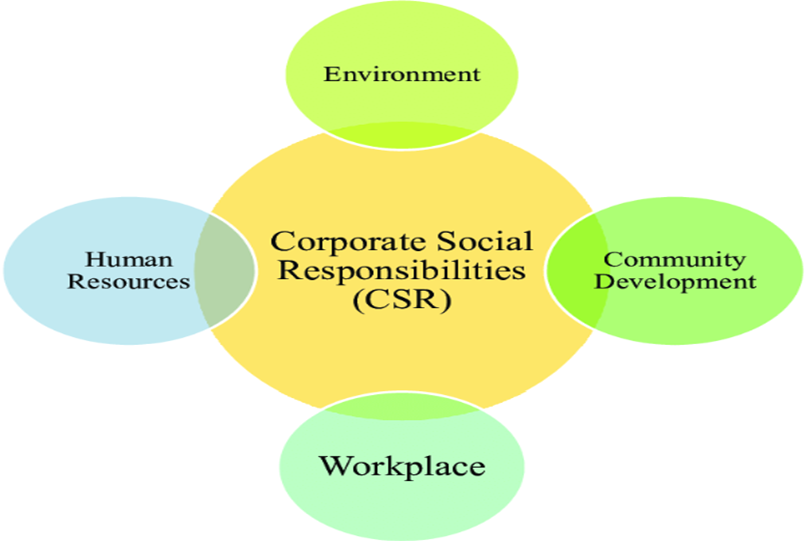
Source: Researchgate
The Use and Purpose of Blockchain in Reporting Corporate Social Responsibility Activities
Blockchain uses distributed ledger systems to safely store transaction data at many different network locations. The system allows you to verify data about your company’s social efforts by sharing it securely. Through blockchain technology companies can maintain permanent records of their carbon emissions giving industry stakeholders a reliable way to validate actual data. Blockchain technology improves CSR reporting because it builds more trusted relationships. Standard CSR report practices depend heavily on what companies report about themselves and these records can lack accuracy and be incomplete. When organizations bring blockchain solutions into their operations they develop a sharing platform that lets authorized parties see all their recent actions (Sansone et al., 2023). By using blockchain the trust in CSR reports grows and companies must follow better social and environmental standards.
RESEARCH GAP
While blockchain technology gains traction most experts have not researched how companies can use it for CSR reporting. Most present research concentrates either on blockchain technology basics or on its usage in money transactions. Scientists have not studied blockchain technology enough to show its value for CSR practices. Researchers have not yet tested how blockchain works when integrated into CSR reporting processes. Research needs to examine what barriers exist when companies move to blockchain when bound by legal and regulatory requirements (Upadhyay et al., 2021). Our analysis shows that although blockchain possesses technical benefits it does not easily apply to CSR reporting because certain important aspects need resolution. Fixing the problems demands experts who understand technology with legal knowledge and social science understanding.
A STRONG LAW SYSTEM HELPS BLOCKCHAIN-ENABLED CSR REPORTING SUCCEED
A strong legal system makes blockchain join CSR reporting systems work properly. This structure needs to solve issues about blockchain data rights and security alongside platform rules and standards (Akman, 2024). Laws must determine who controls blockchain-recorded data and establish secure methods to share it without breaking privacy rules. Several countries need to team up to create rules that help companies report CSR using blockchain technology. The rules should make blockchain usage match worldwide ESG criteria and prevent sustainability progress from slowing down (Bachelor’s Thesis & Rinne, n.d.). Governments need to study all ethical aspects of blockchain technology including its energy consumption and its effect on the planet.
Integrating blockchain offers valuable advantages.
- Enhanced Transparency: Blockchain creates an open and permanent record of CSR work which stakeholders can use to trust the accuracy of reported information.
- Improved Accountability: Enterprise Social Governance commitments work better through smart contracts that automate funding distribution according to plan specifications.
- Streamlined Auditing: Blockchain makes audits easier through one reliable source of information which slashes the time and expense of regular audits.
- Stakeholder Engagement: When companies show all their data publically they build stronger connections with everyone involved which helps them look better in the public eye.
- Global Standards Alignment: The blockchain system helps organizations maintain uniform CSR reporting practices across multiple nations. This makes information easier to compare.
CHALLENGES AND CONSIDERATIONS
The widespread adoption of blockchain technology in Corporate Social Responsibility (CSR) reporting faces multiple barriers that require resolution. The implementation costs associated with blockchain systems represent a primary barrier because they resist adoption by small and medium-sized enterprises (SMEs). Organizations avoid adopting blockchain technology because it comes with high network implementation expenses paired with specialized software and hardware needs. Proof-of-work consensus mechanisms drive blockchain networks to consume extremely large amounts of energy which represents a crucial issue for adoption across industries (Fernandez, et al., 2023). The energy requirements for blockchain networks strain existing environmental capacity which produces extensive carbon emissions while impacting the achievement of CSR sustainability targets. Organizations encounter difficulties because blockchain-based reporting system maintenance and development needs specialized technical staff with advanced expertise. The absence of internal technical expertise results in organizations utilizing external consultants who increase reporting costs because they need to maintain advanced blockchain implementations. The absence of universally recognized protocols generates interoperability problems because blockchain solutions prove difficult to unite within industries. A fragmented environment resulting from these situations blocks the possibility of creating a single framework for CSR reporting. The implementation of blockchain technology faces challenges because existing regulations are uncertain and inconsistent among diverse territorial jurisdictions. The undefined regulatory state hinders organizations that seek to deploy blockchain solutions while conforming to prevailing rules. The resolution of these obstacles depends on successful partnership work between authorities and companies together with technology development teams (Rani et al., 2024). Organizations must dedicate resources to building cost-effective blockchain solutions that scale sustainably because this approach will maximize the technology’s power to foster stakeholder trust and improve social responsibility accountability.
BLOCKCHAIN ARCHITECTURE
Source: Research gate
IMPORTANCE OF A LEGAL AND REGULATORY REGIME
Blockchain adoption for CSR reporting calls for strong legal standards that should handle data protection plus system security as well as security matters across national boundaries. The lack of clear regulatory structures heightens risks of misuse and legal contradictions that prevent corporate adoption of this technology (Bose et al., 2024). The implementation of blockchain for CSR needs both governmental and international organizations to create formal standards that support its responsible and effective application. Key considerations include:
- Data Protection Laws: Stakeholder information protection remains secure by meeting the requirements of data protection regulations including GDPR compliance.
- Standardized Reporting Protocols: All stakeholders together need to create basic uniform requirements for blockchain CSR information reporting to accomplish consistency between reports.
- Cross-Border Collaboration: Organization-wide collaboration to handle jurisdictional hurdles will support blockchain-based adoption worldwide.
CASE STUDIES AND EXAMPLES
Some organizations entered the field of blockchain integration with their CSR programs already begun operation. IBM along with Microsoft uses blockchain technology to monitor supply chain materials while ensuring proper ethical sourcing practices (Farooqi et al., 2024). Through these initiatives, stakeholders gain access to unchangeable records that demonstrate responsible and sustainable sourcing of materials in supply chains. Nonprofit organizations deploy blockchain systems to establish responsibilities in their charitable donation processes. Through blockchain implementation, these organizations can establish transparency for tracking donation money by following the funds between donors and beneficiaries instantly. This process minimizes opportunities for fraud or mismanagement. Binance Charity platform uses blockchain technology to create an open identification system where donors can see their funds reach their intended purpose. Blockchain research demonstrates its power to enhance the reliability and social impact of sustainability initiatives throughout multiple business sectors (Tian et al., 2024). Organizations implementing blockchain technology establish standard measurements that will serve as a transparency benchmark while maintaining accountability practices.
FUTURE DIRECTIONS AND RESEARCH OPPORTUNITIES
Blockchain integration in CSR reporting represents a young research area with wide opportunities for further investigation. The field needs additional empirical studies to measure how blockchain-based CSR reporting influences stakeholder trust and company reputation. Research on an extensive scale will demonstrate the impact blockchain brings through accountability and transparency on public perception alongside corporate performance effectiveness. Technology-based developments and advancements exist as an important field for future research (Hakkinen et al., 2023). New developments in proof-of-stake consensus strategies work to reduce blockchain’s energy consumption and create sustainable blockchain environments for adoption. The key fields of study include legal frameworks together with ethical aspects. The study of blockchain implementation in relation to current legal systems must be investigated to create complete policies that establish an equilibrium between new advances and legal framework enforcement. Research opportunities expand when investigators focus their efforts on creating blockchain applications for specific business sectors. The implementation of flexible blockchain systems designed to match distinct requirements within business sectors including healthcare, manufacturing, and finance enhances CSR reporting opportunities (Giacalone et al., 2021). These research directions will define the future development of blockchain-based CSR reporting by creating practical solutions that scale effectively and deliver powerful sustainable outcomes.
PRACTICAL IMPLEMENTATION AND INDUSTRY ADOPTION
Businesses need to develop concrete implementation methods and worldwide adoption standards to achieve the full benefits of blockchain technology in Corporate Social Responsibility reporting. Stakeholders need to collaborate among government regulatory bodies and industry leaders to establish standardized blockchain protocols that enhance CSR reporting. Business operations can remain compliant with accepted laws through enhanced regulatory standards along with a single blockchain adoption methodology. Public-private partnerships together with industry consortia possess a vital function to create scalable solutions while driving best practices through mutual cooperation toward fixing interoperability barriers affecting different industrial sectors. (Cao, et al., 2023). Small to medium-sized enterprises (SMEs) need scalable and cost-effective solutions to adopt blockchain systems because their implementation expenses present major challenges. Organizations aiming to implement blockchain-based CSR reporting should consider holding their infrastructure through consortium or hybrid blockchain configurations which share expenses and provide secure decentralized access regardless of large financial investments. Businesses can avoid substantial entrance costs because they can use open-source blockchain frameworks together with cloud-based blockchain-as-a-service (BaaS) solutions.
Existing system technologies need to merge with blockchain-based CSR reporting systems to reach peak operational efficiency. Through descriptions of AI and IoT technology businesses can set up automated CSR data collection systems that provide synchronous sustainability monitoring together with accurate data points. Organizations obtain better CSR performance insights from Artificial Intelligence analytics technologies and IoT sensors that let them monitor environmental and social impact metrics thus they achieve enhanced transparency with better corporate accountability. Digital technologies and blockchain technology together will form the foundations for a data-based approach to conducting CSR reporting. The analysis of initial stakeholder blockchain deployment for CSR initiatives enables businesses to discover optimized methods of using this technology. The decentralized approach enables Unilever and IBM together with other companies to enhance sustainable supply chain practices and ethical sourcing operations through blockchain technology implementation. Corporate objectives for CSR along with industry obstacles enable organizations to study these initiatives so they can establish customized blockchain solutions. Creating blockchain-based CSR reporting systems needs organized attention toward maintaining social and ethical commitments. The integration of blockchain brings better transparency into corporate responsibility functions through the protection of data accuracy and CSR performance verification that results in improved stakeholder decision-making (Wang, et al, 2024). Trustworthiness increases for CSR activities because blockchain maintains transparent records that result in enduring sustainability and a stronger corporate reputation. Businesses must develop strategic collaboration across industries to achieve blockchain’s full ethical and transparent capabilities in CSR reporting on a large scale.
CONCLUSION
Blockchain adoption in corporate social responsibility reporting sets the stage for a complete transformation of organizational social responsibility engagement practices. Through blockchain’s standard of immutable and real-time transparency with CSR activities companies gain better credibility while earning stakeholder trust. Through addressing traditional reporting deficits including unverified claims and greenwashing practices blockchain enables organizations to link their CSR commitments to genuine accountability while delivering meaningful corporate social responsibility impacts. To unlock blockchain’s maximum potential businesses need solutions for technical challenges and financial costs alongside proper regulatory standards. The implementation of this technology requires a comprehensive legal framework that allows both data protection standards as well as international guidelines to be followed. The combination of business organizations and technology experts together with policymakers through cross-sector cooperation creates faster adoption of blockchain technology for CSR reporting. This developing innovative technology will serve both purposes of enhancing reporting systems while steering companies toward more responsible actions and lasting results. Through its capability to bridge technological solutions with responsible practices, blockchain becomes a platform that transforms CSR from regulatory compliance duty into a fully transparent system for meaningful social impact.
REFERENCES
Akman, V. (2024). Exploring the Potential Contribution of Blockchain Technology to Sustainability Reporting. Springer Proceedings in Business and Economics, 209–223. https://doi.org/10.1007/978-3-031-52723-4_17
Almadadha, R. (2024). Blockchain Technology in Financial Accounting: Enhancing Transparency, Security, and ESG Reporting. Blockchains, 2(3), 312–333. https://doi.org/10.3390/blockchains2030015
Bachelor’s Thesis, E., & Rinne. (n.d.). COMMUNICATING CORPORATE SOCIAL RESPONSIBILITY (CSR) How Can Blockchain Help CSR Communication? https://aaltodoc.aalto.fi/bitstream/handle/123456789/117072/bachelor_Rinne_Elli_2022.pdf?sequence=1
Boçe, M. T., & Hoxha, J. (2024). Blockchain Technology as a Catalyst for Sustainable Development: Exploring Economic, Social, and Environmental Synergies. Academic Journal of Interdisciplinary Studies, 13.
Cao, S., Xu, H., & Bryceson, K. P. (2023). Blockchain Traceability for Sustainability Communication in Food Supply Chains: An Architectural Framework, Design Pathway and Considerations. Sustainability, 15(18), 13486.
Ezzi, F., Jarboui, A., & Mouakhar, K. (2022). Exploring the Relationship Between Blockchain Technology and Corporate Social Responsibility Performance: Empirical Evidence from European Firms. Journal of the Knowledge Economy, 14. https://doi.org/10.1007/s13132-022-00946-7
Farooqi, M. R., Ahmad, M. F., Kumar, N., & Rafi, M. (2024). Blockchain Technology. Routledge EBooks, 40–53. https://doi.org/10.4324/9781003378341-5
Fernandez, D., & Nor Amirah Idris. (2023). Beyond Ledgers: The Theoretical Framework of Blockchain Technology in Enhancing Sustainability Reporting. Malaysian Journal of Social Sciences and Humanities (MJSSH), 8(11), e002624–e002624. https://doi.org/10.47405/mjssh.v8i11.2624
Giacalone, M., Santarcangelo, V., Donvito, V., Schiavone, O., & Massa, E. (2021). Big data for corporate social responsibility: blockchain use in Gioia del Colle DOP. Quality & quantity, 55(6), 1945-1971.
Häkkinen, A., & Koskinen, P. D. J. (2023). Blockchain in Enterprise Solutions: Assessing the Suitability of Blockchain for Corporate Sustainability Reporting (Doctoral dissertation, Master’s thesis, University of Turku).
None Adeola Olusola Ajayi-Nifise, None Titilola Falaiye, None Odeyemi Olubusola, Ifesinachi, A., & None Noluthando Zamanjomane Mhlongo. (2024). BLOCKCHAIN IN U.S. ACCOUNTING: A REVIEW: ASSESSING ITS TRANSFORMATIVE POTENTIAL FOR ENHANCING TRANSPARENCY AND INTEGRITY. Finance & Accounting Research Journal, 6(2), 159–182. https://doi.org/10.51594/farj.v6i2.786
Rani, P., Sharma, P., & Gupta, I. (2024). Toward a greener future: A survey on sustainable blockchain applications and impact. Journal of Environmental Management, 354, 120273. https://doi.org/10.1016/j.jenvman.2024.120273
Sansone, G., Santalucia, F., Viglialoro, D., & Landoni, P. (2023). Blockchain for social good and stakeholder engagement: Evidence from a case study. Corporate Social Responsibility and Environmental Management. https://doi.org/10.1002/csr.2477
Sarajoti, P., Chatjuthamard, P., Papangkorn, S., & Phiromswad, P. (2022, June 23). CSR Reporting and Blockchain Technology. Www.intechopen.com; IntechOpen. https://www.intechopen.com/chapters/82269
Tian, Z., Qiu, L., & Wang, L. (2024). Drivers and influencers of blockchain and cloud-based business sustainability accounting in China: Enhancing practices and promoting adoption. PLOS ONE, 19(1), e0295802–e0295802. https://doi.org/10.1371/journal.pone.0295802
Upadhyay, A., Mukhuty, S., Kumar, V., & Kazancoglu, Y. (2021). Blockchain Technology and the Circular Economy: Implications for Sustainability and Social Responsibility. Journal of Cleaner Production, 293, 126130. https://doi.org/10.1016/j.jclepro.2021.126130
Wang, Z., Yu, L., & Zhou, L. (2024). Navigating the Blockchain-Driven Transformation in Industry 4.0: Opportunities and Challenges for Economic and Management Innovations. Journal of the Knowledge Economy, 1-43.